
.png&w=3840&q=75)
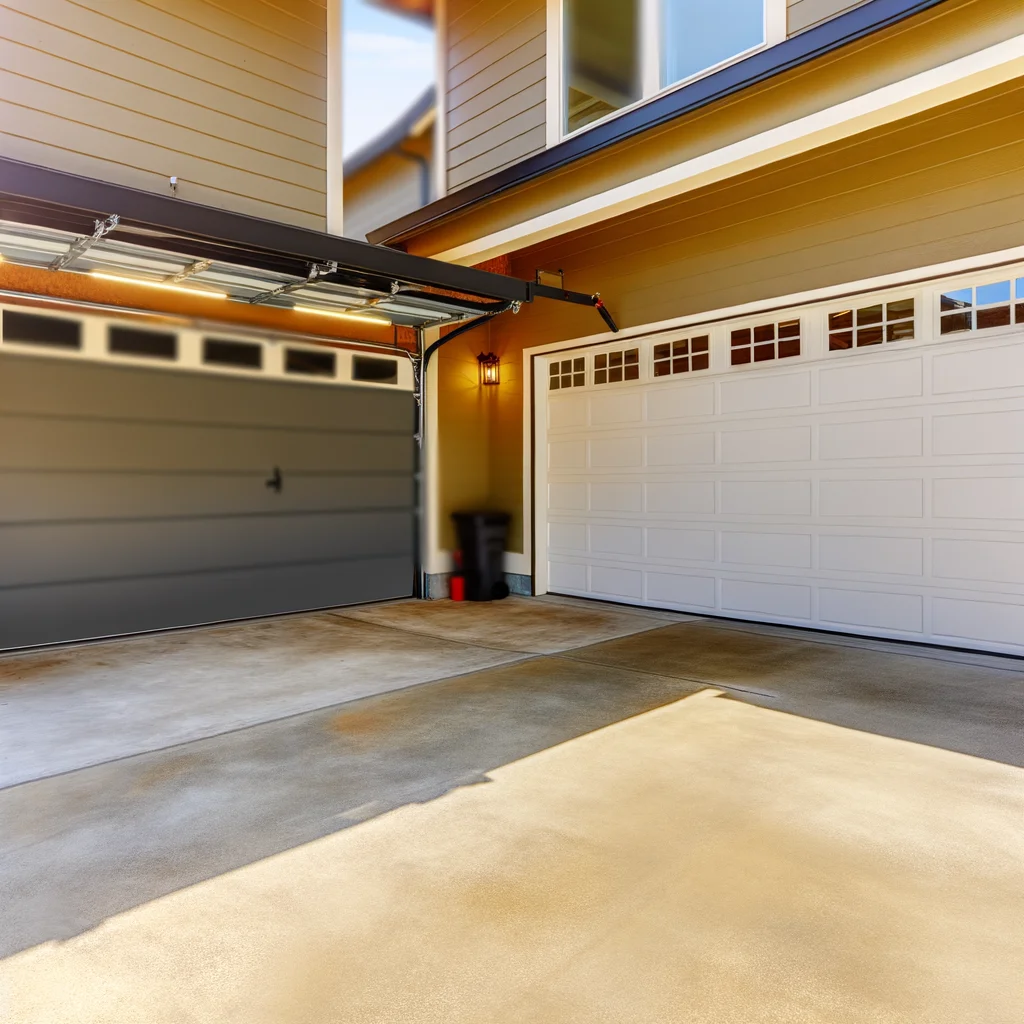
Choosing the right garage door is a significant decision for homeowners, particularly when considering the long-term value of the investment. With a plethora of options available, two styles often come to the forefront: modern and traditional garage doors. Each style has its unique appeal, features, and benefits. In this guide, we will explore the long-term value of modern versus traditional garage doors, helping you make an informed decision for your home.
Understanding Modern Garage Doors
Modern garage doors are defined by their sleek lines, minimalistic designs, and contemporary materials. They typically feature a combination of glass, aluminum, and steel, offering a sophisticated look that complements modern architecture. Here are some key features of modern garage doors:
Aesthetic Appeal
Modern garage doors often have a clean, streamlined look that can enhance the curb appeal of a home. The use of large glass panels allows for natural light to enter the garage space, making it feel more open and inviting.
Durability and Maintenance
Constructed from high-quality materials, modern garage doors are designed to withstand harsh weather conditions and resist wear and tear. Additionally, many modern doors have a low-maintenance finish, reducing the need for regular upkeep.
Energy Efficiency
Many modern garage doors come with superior insulation, helping to keep your garage and home energy-efficient. This feature can lead to lower energy bills in the long run, making modern doors a more economical choice over time.
Understanding Traditional Garage Doors
Traditional garage doors are characterized by their classic designs and materials, often made from wood or steel with ornate details. They evoke a sense of nostalgia and can be a perfect fit for homes with more traditional architecture. Here are some features of traditional garage doors:
Timeless Design
Traditional garage doors boast a timeless aesthetic that appeals to those who prefer a more classic look. Styles can range from carriage house doors to raised panel designs, making them versatile for various home styles.
Customization Options
These doors can be highly customizable, allowing homeowners to choose from a variety of finishes, colors, and hardware options. This flexibility ensures that the garage door can match the unique style of the home.
Natural Insulation
Wooden traditional garage doors offer natural insulation properties, which can help maintain a consistent temperature inside the garage. However, they may require more maintenance than their modern counterparts, such as regular painting or staining.
Comparing Long-Term Value
When evaluating the long-term value of modern versus traditional garage doors, several factors come into play: cost, maintenance, energy efficiency, and resale value.
Cost Considerations
Typically, modern garage doors can be more expensive upfront due to their advanced materials and technology. However, their durability and low maintenance requirements can lead to cost savings over time. Traditional garage doors, while often less expensive upfront, may incur higher maintenance costs, especially if made from wood.
Maintenance Needs
Modern garage doors generally require less maintenance, as they are designed to resist fading, rust, and damage. Traditional doors, particularly wooden ones, require regular upkeep to prevent rot and weather damage. For homeowners looking for a hassle-free option, modern doors may be the better investment.
Energy Efficiency Benefits
As mentioned earlier, modern garage doors often come with better insulation, contributing to energy savings. Traditional doors can also provide insulation, but their effectiveness will depend on the materials used and the quality of installation. Over time, the energy savings from a modern door could offset the initial investment.
Resale Value
In terms of resale value, modern garage doors may appeal to a broader range of potential buyers due to their contemporary look and energy efficiency. However, traditional garage doors can add charm and character to a home, which some buyers may find appealing. Ultimately, the choice may depend on the prevailing architectural style of your home and the preferences of potential buyers in your area.
Making the Right Choice for Your Home
Choosing between a modern and traditional garage door ultimately comes down to personal preference and the specific needs of your home. Here are some tips to help you make a decision:
- Assess Your Home's Style: Consider the architectural style of your home. A modern door may clash with a Victorian-style home, while a traditional door may not complement a contemporary design.
- Evaluate Your Lifestyle: If you prefer a low-maintenance option, a modern garage door may be ideal. However, if you enjoy customizing and maintaining your home, a traditional door might be more satisfying.
- Consider Long- Term Goals: Think about how long you plan to stay in your home. If you intend to sell soon, consider which style may appeal more to future buyers.
- Consult with Professionals: Reach out to garage door specialists to discuss your options. They can provide valuable insights and help you make a decision based on your specific situation.
Conclusion
When weighing the options between modern and traditional garage doors, it is essential to consider the long-term value each style offers. Modern garage doors provide durability, low maintenance, and energy efficiency, making them a strong choice for many homeowners. Traditional garage doors, with their timeless appeal and customization options, can also be a worthy investment, particularly for those who prioritize aesthetics and craftsmanship. Regardless of your choice, investing in a quality garage door is crucial. At Covey Trails Garage Doors Co., we offer a range of garage door services, including installation, repair, and maintenance. For more information on our services, visit our garage door services page or contact us for a free consultation today!
